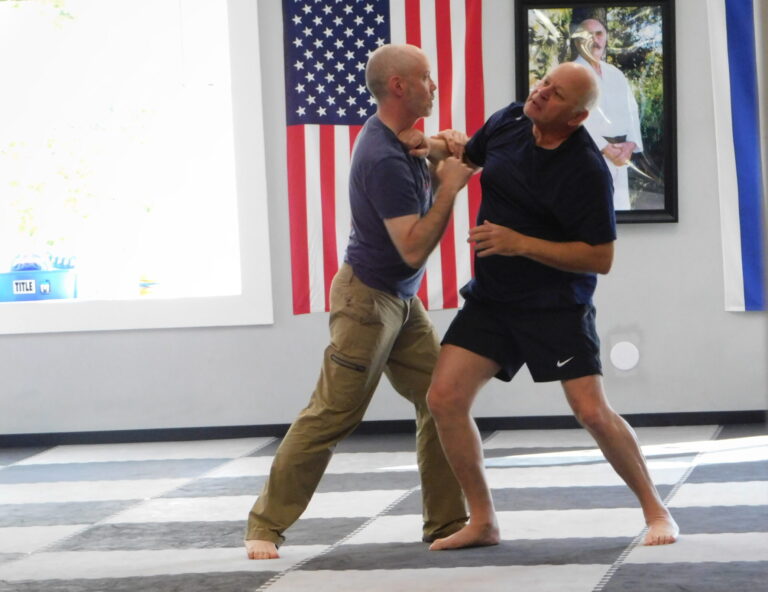

I have a student who argues with me. Not often, but often enough. We’ll be drilling a combination, and he’ll stop after the first strike and look at me like I’ve asked him to do something unnecessary.
“Why would I throw the second one? I already dealt with him.”
Or: “He’s not even there anymore. That first shot moved him over here.”
Or my favorite: “If I hit him that many times, I haven’t really finished him, so he’s just going to come chasing after me.”
I appreciate the argument. He’s thinking. But he’s thinking about a fight that only exists in his head. In every version, he knows exactly what his first strike did. He knows where the attacker went, how hurt he is, and what he’s going to do next. He’s choreographing. And choreography only works when the other person has read the script.
Your attacker hasn’t read the script.
The truth is that you cannot predict what any single strike will do to another human being. Not with certainty. Not after years of training. Not on your best day. You throw a strike to the groin expecting him to fold, and he doesn’t. He’s full of adrenaline, or alcohol, or he simply doesn’t feel it yet. You throw a palm to the face expecting his head to snap back, and he turns so it glances off. He steps left when you planned for right. He grabs when you planned for him to stagger. Or he doesn’t react at all.
That isn’t a training failure. That’s reality. Bodies under stress do unpredictable things, yours included. If your response depends on him moving the way you imagined, then the moment he doesn’t, you freeze. You’re waiting for a cue that never comes, and in a violent encounter, a half-second of waiting is a half-second you’ve handed to him.
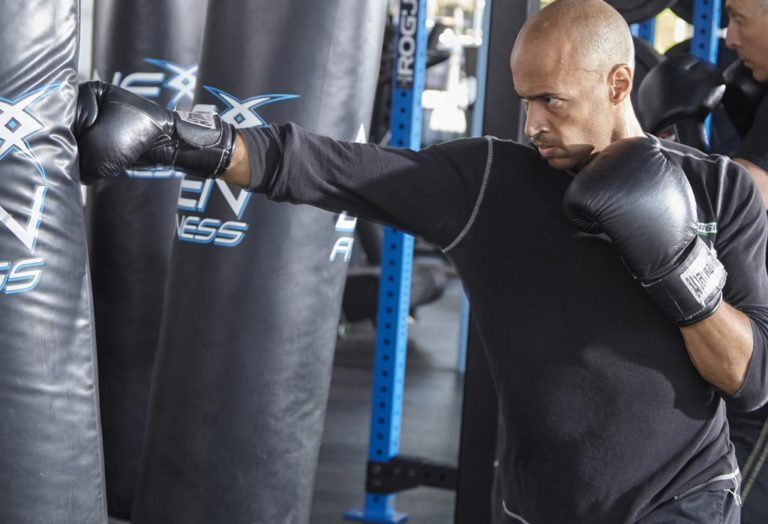
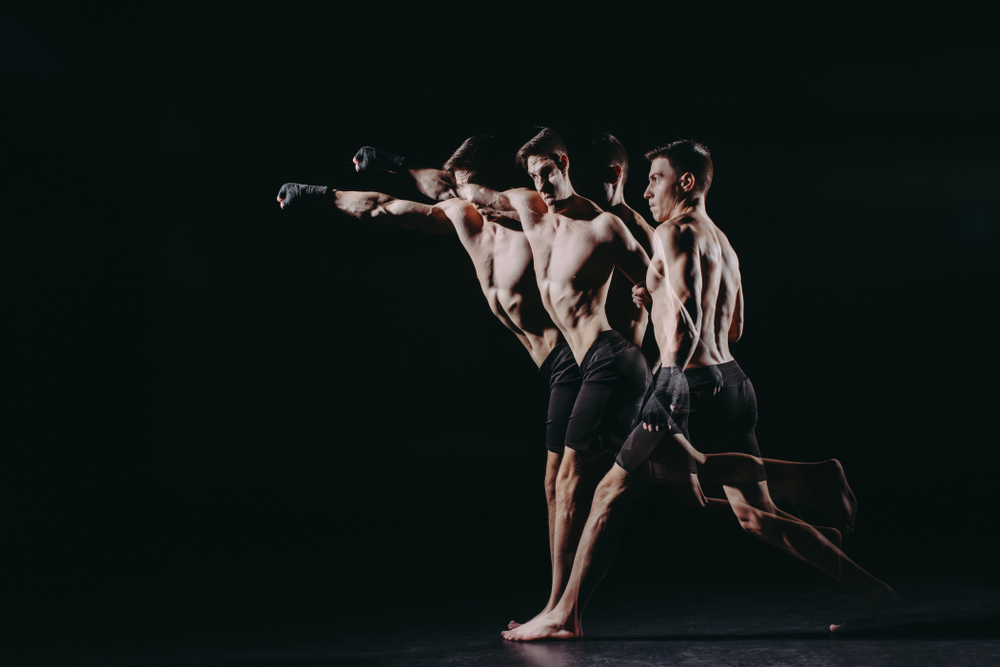
This is why Krav Maga trains combinations. Not single shots, and not a clever sequence that requires a cooperative attacker. Volume. The goal is not to land the perfect strike. The goal is to overwhelm. I don’t throw a punch and wait to see what it did. I throw so many strikes, from so many angles, so fast, that he can’t defend them all. He can block one. Maybe two. He cannot process five, six, ten. His brain falls behind, his defenses collapse, and he stops attacking and starts surviving.
That’s the moment we’re working for. Not a knockout. A shift. The point where he is no longer thinking about hurting you and only thinking about getting away from you. Then he turns, or he goes down, or he leaves. And you leave too.
Which brings me back to my student’s worry about the attacker chasing after him. He has it backward. The person who comes after you is the one you hit once and then stood there evaluating. The person who has just absorbed a storm of strikes he couldn’t stop isn’t thinking about pursuit. He’s thinking about escape. Volume doesn’t provoke the chase. It ends it.
Never forget what all of this is for. We don’t strike to win. We strike to escape. Every combination has one job, and that’s to create the space and the time for you to get out safely. The strikes aren’t the destination. The exit is.
So you don’t need to know how each shot will land. You need to keep moving forward, keep striking, and keep looking for your way out. If a target closes, hit the one that opened. If he turns, hit what’s there. You react to what is, not to what you predicted. And the moment he turns away or creates distance, you go.
Your attacker is going to do what he does. You can’t control that. What you can control is how relentless you are.
Don’t predict the fight. Overwhelm it. Then go home.